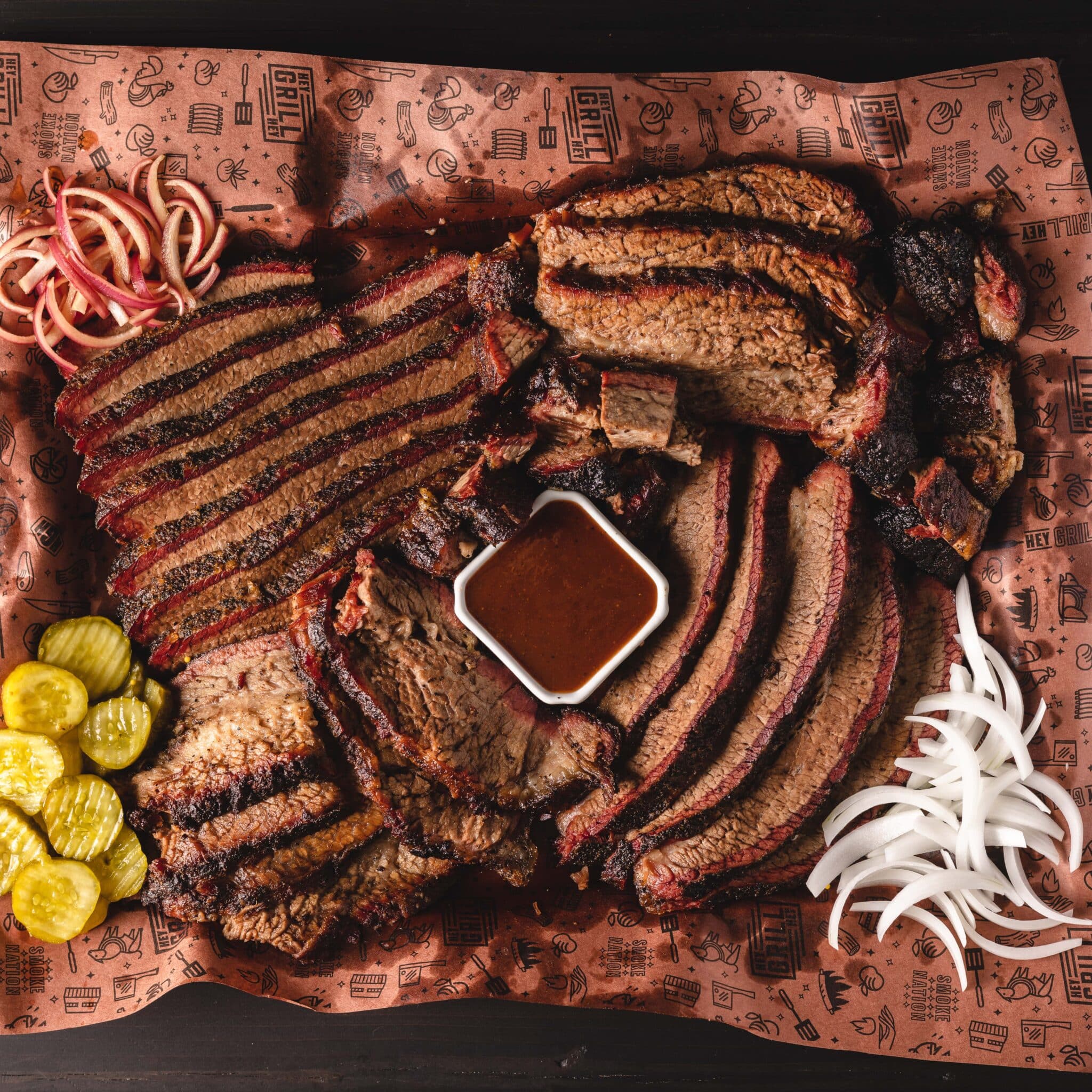
Master Tender Beef Brisket: Slow Cooked Sweet & Spicy Perfection
There are few culinary experiences as satisfying as a perfectly cooked beef brisket. This often-overlooked cut, when treated with patience and a touch of culinary magic, transforms into a melt-in-your-mouth masterpiece that can anchor any special occasion or simply elevate a weeknight meal. Forget dry, tough meat – we're talking about incredibly tender beef brisket, infused with a homemade sweet and spicy sauce that creates an unforgettable symphony of flavors. This isn't just a recipe; it's a journey to creating brisket perfection, a dish so good it practically cooks itself while you dream of its delicious return.
The Underrated Hero: Understanding Beef Brisket
Beef brisket, derived from the chest or lower chest of the cow, is a marvel of culinary potential. It’s a primal cut known for its robust flavor but also its toughness due to abundant connective tissue. This very toughness, however, is what makes it ideal for low-and-slow cooking methods. Over extended periods, these tough collagen fibers break down into gelatin, resulting in that supremely tender, fall-apart texture we all crave.
Traditionally, brisket comes in two main parts: the "flat" and the "point."
- The Flat (or First Cut): This leaner, flatter section is often preferred for slicing and is excellent for corned beef or pastrami. It has a more consistent shape.
- The Point (or Second Cut): This fattier, more marbled section is irregular in shape and incredibly flavorful. It's fantastic for shredding and often contains a thick fat cap.
Many butchers offer "whole packer" briskets, which include both sections. For our sweet and spicy slow-cooked method, either cut works beautifully, though a whole packer provides a delightful textural contrast and even more flavor from the fat marbling. Beyond its incredible flavor and texture, beef brisket is also a fantastic budget-friendly option to feed a crowd easily, making it a go-to for family gatherings and celebrations.
Crafting the Perfect Sweet & Spicy Sauce
The soul of our master beef brisket lies in its captivating sweet and spicy sauce. This isn't just any sauce; it's a carefully balanced concoction designed to tenderize the meat, infuse it with layers of flavor, and develop a beautiful, slightly sticky glaze as it slowly cooks. While the exact recipe can vary, the core principle is a harmonious blend of sweetness, heat, umami, and acidity.
Think beyond just "sweet and spicy." Consider components that contribute to depth:
- Sweetness: Brown sugar, honey, molasses, or even a touch of maple syrup can provide a rich, caramelized sweetness. This also aids in browning and creating that desirable sticky texture.
- Spice: Sriracha, Gochujang, smoked paprika, chili powder, red pepper flakes, or a dash of cayenne pepper will bring the heat. Adjust to your preference, from a gentle warmth to a fiery kick.
- Umami & Savory Notes: Soy sauce, Worcestershire sauce, beef broth, tomato paste, or even a good quality BBQ sauce base can provide a foundational savory depth that complements the beef perfectly.
- Aromatics: Fresh garlic, grated ginger, and diced onions are non-negotiable. They build the aromatic base that permeates the meat during its long cook.
- Acidity: A splash of apple cider vinegar, rice vinegar, or even a squeeze of lime juice helps to cut through the richness, brighten the flavors, and aid in the tenderization process.
The beauty of a homemade sauce is its adaptability. Feel free to experiment with ratios and ingredients to create a flavor profile that speaks to your palate. Some prefer a stronger smoke element with liquid smoke or smoked paprika, while others might lean towards a more Asian-inspired profile with ginger and sesame oil. Whatever your preference, ensure the sauce is robust enough to stand up to the rich flavor of the beef brisket.
The Art of Slow Cooking for Unrivaled Tenderness
Achieving truly tender beef brisket is a testament to the power of low and slow cooking. This method isn't just a suggestion; it's the secret to transforming a tough cut into an incredibly succulent dish. The key is allowing ample time for the collagen to break down into gelatin, which not only tenderizes the meat but also creates a moist, unctuous texture.
Choosing Your Method: Oven vs. Slow Cooker
- Oven Braising: This classic method typically involves cooking the brisket in a covered roasting pan or Dutch oven at a low temperature (around 275-325°F or 135-160°C) for several hours. The enclosed environment creates a steamy atmosphere that keeps the meat moist while allowing the sauce to slowly reduce and concentrate its flavors. Many chefs swear by oven braising for even heat distribution and a more controlled cooking environment.
- Slow Cooker: For ultimate convenience, a slow cooker is an excellent choice. Simply sear your brisket first (optional but recommended for flavor), add it to the slow cooker with your sweet and spicy sauce, and let it cook on low for 8-10 hours or on high for 4-6 hours. This hands-off approach makes it perfect for busy days, ensuring a tender brisket with minimal effort. In fact, it’s one of the easiest slow-cooked beef brisket recipes for sweet, spicy & tender perfection.
Key Steps for Tender Brisket:
- Searing (Optional but Recommended): Before adding the sauce and slow cooking, searing the brisket on all sides in a hot pan creates a delicious crust and locks in initial flavors through the Maillard reaction.
- Submerge in Sauce: Ensure the brisket is mostly submerged in your sweet and spicy sauce. This provides the necessary moisture for the collagen breakdown.
- Low Temperature, Long Time: Patience is paramount. Resist the urge to crank up the heat. Slow and steady wins the race when it comes to brisket.
- Don't Peek Too Often: Each time you open the oven or slow cooker lid, you release valuable heat and moisture, extending the cooking time.
- The Fork Test: The brisket is done when it's incredibly tender. A fork should easily twist and pull away a piece of meat with almost no resistance. Internal temperature is less important than texture for brisket; aim for fork-tender, which usually happens around 200-205°F (93-96°C).
Maximizing Flavor: The "Make-Ahead" Secret and Reheating
One of the true secrets to achieving mind-blowing flavor with beef brisket is to prepare it the day before you plan to serve it. This isn't just a convenience; it's a culinary hack that dramatically enhances the dish's depth and richness.
The Magic of Making it Ahead:
When you cook brisket and allow it to rest overnight in its sauce, several wonderful things happen:
- Flavor Infusion: The meat continues to soak up the sweet and spicy sauce, allowing the flavors to meld and deepen significantly. The garlic, ginger, spices, and sugars have more time to fully penetrate every fiber of the brisket.
- Fat Rendering & Removal: As the brisket cools, the rendered fat in the sauce will solidify on top. This makes it incredibly easy to skim off and discard the excess fat, leaving you with a leaner, yet still incredibly flavorful, sauce. This step is crucial for a cleaner, richer tasting dish.
- Easier Slicing: Cold brisket is much firmer and easier to slice against the grain into neat, uniform pieces. Trying to slice hot, fall-apart tender brisket can often result in shredded rather than sliced meat.
The Perfect Reheat:
Reheating brisket requires a gentle touch to maintain its tenderness and prevent drying out:
- Slow and Covered: Place the sliced or whole brisket back into its sauce in a covered oven-safe dish. Reheat slowly in a low oven (around 275-300°F or 135-150°C) until warmed through. This allows the meat to gently come back to temperature while reabsorbing moisture from the sauce.
- Stovetop (for smaller portions): For individual servings, gently warm the sliced brisket and sauce in a saucepan over low heat, ensuring it doesn't boil rapidly.
- Add Moisture if Needed: If the sauce has thickened too much overnight, add a splash of beef broth or water to thin it slightly before reheating.
Serving Perfection: Slicing and Accompaniments
Once your brisket is perfectly tender, cooled, and reheated, the final steps are slicing and serving. This is where your mastery truly shines.
The Art of Slicing Brisket:
Always slice beef brisket against the grain. This is critical for tenderness. The muscle fibers in brisket run in a distinct direction; cutting across them shortens the fibers, making each bite more tender and less chewy. If you can't easily identify the grain, look for it before you start slicing. Use a sharp, long knife for clean cuts.
Perfect Pairings:
The rich, sweet, and spicy flavor of this beef brisket pairs beautifully with a variety of sides:
- Classic Comfort: Creamy mashed potatoes, polenta, or fluffy white rice are ideal for soaking up every last drop of that incredible sauce.
- Vegetable Medley: Roasted root vegetables like carrots, parsnips, or sweet potatoes provide a lovely sweetness and texture. Steamed green beans or asparagus offer a fresh contrast.
- Bread for Sopping: Crusty bread, dinner rolls, or cornbread are essential for ensuring no sauce goes to waste.
- Cool & Crunchy: A simple coleslaw or a fresh green salad can provide a refreshing counterpoint to the rich brisket.
This slow-cooked beef brisket is not just a meal; it's an experience. It’s perfect for feeding a large gathering, offering a sophisticated yet utterly comforting dish that will leave everyone raving.
Mastering tender beef brisket, especially with a captivating sweet and spicy profile, is a culinary achievement that’s surprisingly approachable. By understanding the nature of this humble cut, embracing the power of slow cooking, and leveraging the "make-ahead" secret, you can consistently produce a dish of unrivaled tenderness and flavor. So, gather your ingredients, set aside the time, and prepare to delight your senses with every succulent, perfectly balanced bite of your slow-cooked sweet and spicy beef brisket masterpiece.
